
What the Casino Near Miss Effect Means for Australian Players

The casino near miss effect describes what happens when a spin lands one symbol short of a jackpot, or a card draw misses a straight by one card. Neuroscience calls it partial reinforcement, and it keeps people playing longer than they planned. I noticed the equivalent on equity trading desks in Sydney, then again at the pokies around Geelong’s waterfront. The venue data at spinsamuraireviews.org tracks how several operators handle near miss gameplay in their bonus mechanics.
How the Casino Near Miss Effect Actually Works
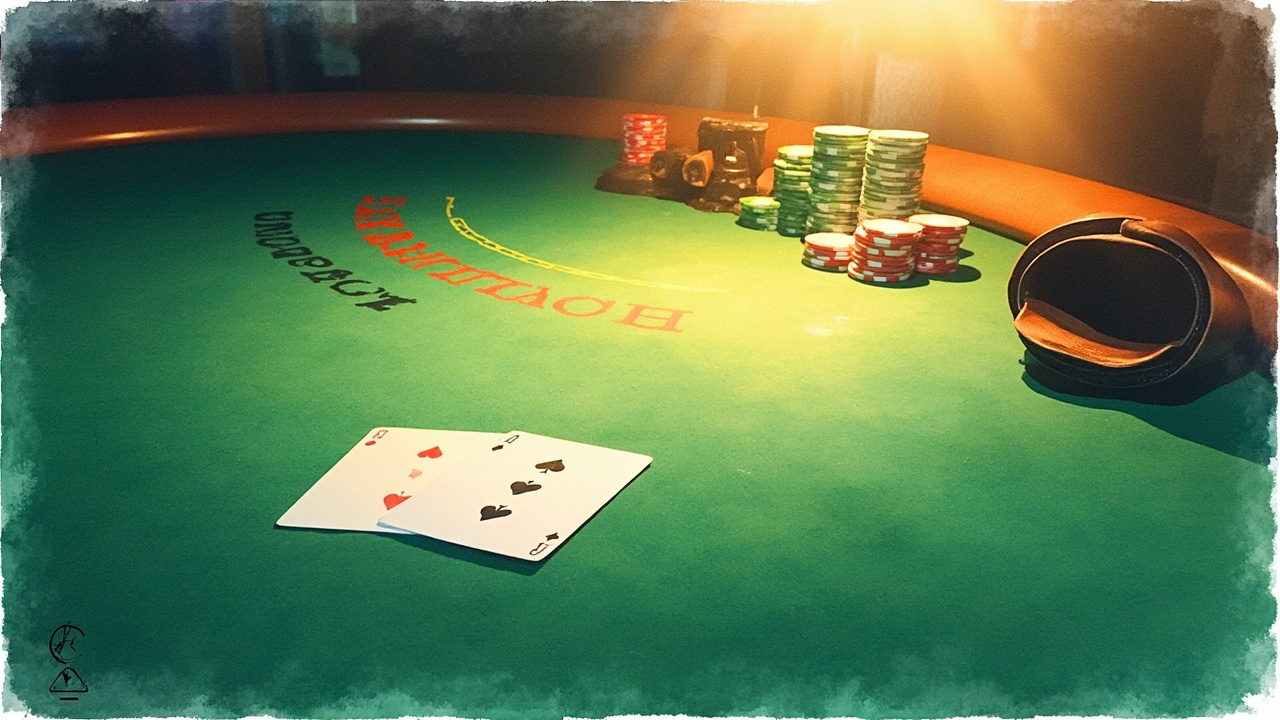
When a pokie reel shows two scatters and the third stops just above or below the payline, the brain’s reward circuit treats it almost like a win. Dopamine fires, the player reads the outcome as “almost”, and that reading is the engine of the casino near miss effect, replicated across slots, blackjack, and roulette in published lab work.
The most common misconception is that a near miss signals a win is closer. In reality, each spin or hand is statistically independent. The machine has no memory and the deck has no favouritism. What changes after a near miss is the player’s perception of control, not the underlying odds.
Dylan Curtis first mapped behavioural risk patterns while building client onboarding flows at FinAi Group, and reckons the parallel to a trader’s stop-loss is real.”After small losses that look almost like wins, the temptation to override the rule is the same in both domains,” he says. Poker features in literature as a metaphor for risk and character, and the near miss is the same archetype on a riverboat or in a browser tab.
Trust Signals Worth Checking Before You Click Play
When evaluating any operator, the first question is licence. BaysideAce, a Curaçao-licensed venue serving Australian players since 2021, displays its licence number on the footer of every page. Australian players should know that no offshore licence equals Australian regulation, so responsible-play tools become the practical safeguard.
The second question is support. Live chat should respond within two minutes during business hours, and email within twelve. The third is data handling: SSL encryption, two-factor authentication, and a published retention policy are baseline. If a venue hides any of these behind a sub-menu, that tells you something about how they organise their compliance priorities.
BaysideAce runs pokies from Pragmatic Play and Evolution Gaming live tables, supports AUD alongside Visa, Mastercard, and Neosurf, and offers deposit caps in A$10 increments at registration. The mobile app mirrors the desktop, which is rare. That rigour is what I look for now after twelve years reading prospectuses: the discipline shows up in the small print, and the loyalty programme’s five tiers earn on turnover rather than losses.
Responsible Play Tools That Actually Blunt the Effect
Deposit limits are the most useful counter to the near miss loop. Setting a daily cap of A$50 before the first session means the effect can’t compound past a known boundary. Time-out periods of 24 hours, 7 days, or 30 days sit alongside this, and they work because the urge to chase is strongest immediately after a near miss.
Reality checks are the underrated tool. A pop-up every 30 minutes showing session length and net position forces the player to update against the plan. Self-exclusion, the strongest lever, ranges from six months to five years at most reputable venues. BaysideAce puts all three on the account dashboard, with the 100% match bonus up to A$500 plus fifty free spins structured around the same view.
“Operators who surface a reality check at thirty minutes aren’t just ticking a compliance box; they’re intervening in a measurable cognitive loop,” says Archie Gibson, Board Member at Banksia Betting Partners.
Players should test each tool in the first hour of play, because a venue requiring a support ticket to lower a deposit cap is signalling where its priorities sit.
Questions to Weigh Before You Deposit
Here’s the practical on the brand’s web portal checklist, organised around the questions that matter most.
| Question | What to Look For |
|---|---|
| Is the licence visible and verifiable? | Footer, with a number you can cross-check |
| Can you set deposit limits at sign-up? | Yes, in A$ increments, not just in USD |
| Is live chat response under five minutes? | Tested during an arvo, not just at 3am |
| Are reality checks on by default? | Switched on unless you opt out, not the reverse |
| Does self-exclusion actually lock withdrawals? | Funds returned to original method, not “bonus balance” |
Work through the table top to bottom before signing up. The first three items are non-negotiable: an unverifiable licence, no AUD option, or a chat that takes thirty minutes to answer a deposit question should send you elsewhere.
The casino near miss effect doesn’t disappear with the right operator, but the cognitive cost is contained. Defo, the venue that builds these controls into the registration flow is doing more than marketing, because every minute saved on friction is a minute the effect has to compound. For Australian players sizing up a new platform, the same scrutiny applies to the related mechanics of hold and win pokies, where bonus triggers themselves sit on the same decision grid.
The casino near miss effect is a feature of the brain, not the operator, but the venue you choose shapes how exposed you are. A verifiable licence, responsive support, and account controls built into sign-up are the practical differences. Around Geelong, from Cunningham Pier to Pakington Street, reckon on the venue that makes those controls the path of least resistance, and the rest becomes personal discipline metres from the screen.