
I’ve spent two decades moving chips, screens and strategy between Aristocrat cabinets, Ainsworth reels, Bally Macau floors, TCS John Huxley layouts, SenSen telemetry and Crown planning rooms, and the same sloppy habits surface everywhere. Horse racing betting Australia mistakes rarely come from bad luck; they come from treating a race card like a vending machine. You hand over a few notes, expect a payout, and ignore the structure underneath. The fix is simple discipline, not a secret system.
Where the Paper Trails Go Wrong
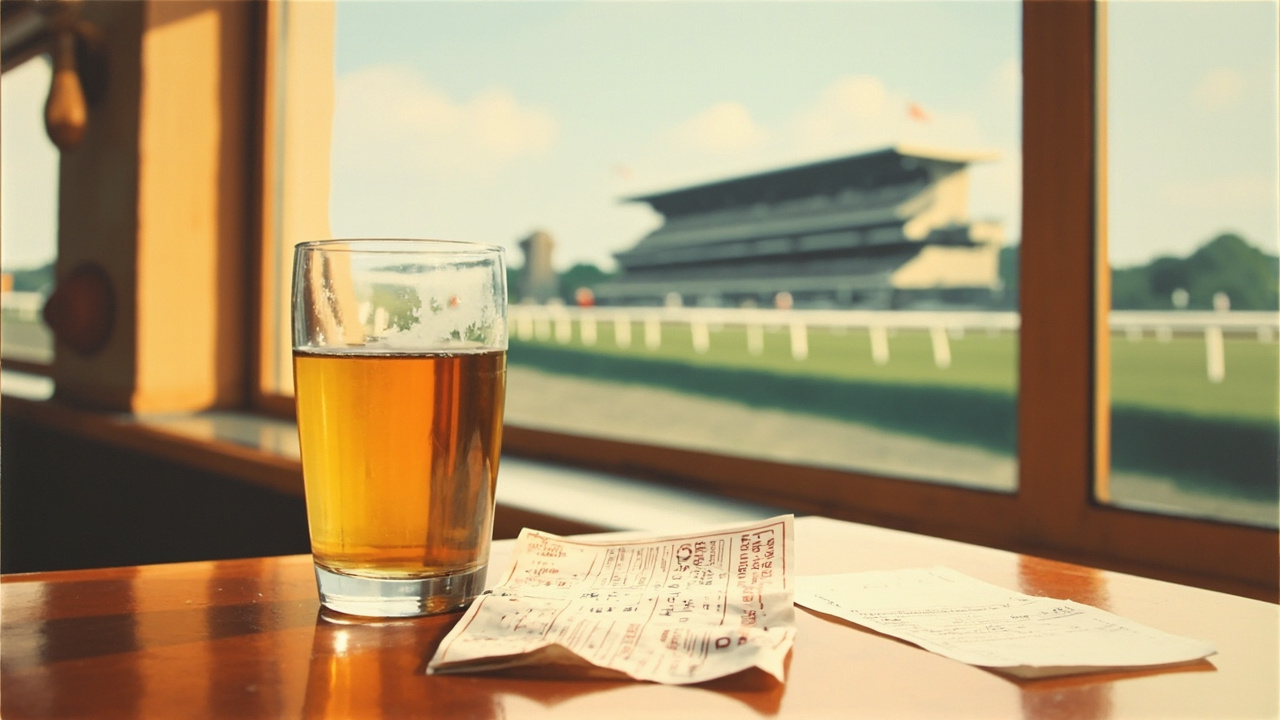
Most punters lose money before the first barrier lifts because they misread the betting slip and the market. A $2 flexi on a win and place looks harmless until you realise you’ve stacked four runners in the same race without trimming the outlay. I’ve watched Saturday arvo crowds at Perth ponies turn a $10 budget into a $60 slip just by chasing a tip from a mate who “knows a bloke”. The mistake isn’t the bet type; it’s failing to cap the stake before the bookie’s screen refreshes. Set a hard limit, write it on the back of your program, and walk away when the numbers hit it. That discipline carries straight across to digital wagering too. When you’re checking a wolf winner review before you deposit, you’ll notice the same principle applies: the cashier should show your running balance, the hold, and the stake ceiling in plain view, not buried under a cascade of tabs. If the screen hides your exposure, you’re already making the same slip you’d make at the ticket window.
Three Player-Fit Scenarios That Keep the Slip Clean
The Weekend Social Bettor
You’re down at the track with a few mates, buying a programme and splitting a meat pie. The temptation is to follow the crowd into a quinella because everyone else is shouting it. Instead, pick one race, one stake, and one outcome you actually understand. A $5 win on a horse you’ve watched work in the mounting yard beats a $5 quinella on six combinations that turns into a $30 slip by accident. Keep your wallet in your pocket between races, and treat the bookie’s window like a counter, not a ATM. The same restraint matters online: if you’re logging in from a Perth hotel room after a long week, set a deposit cap before you tap the screen, and don’t top it up just because the first race went the wrong way.
The Work Night Screen Player
You’re clocking off late, phone in hand, watching a late barrier draw on a metropolitan race. The mistake here is chasing the race with a live bet after the price has already moved. You see a runner drift, you think it’s value, and you throw a $10 swinger without checking whether the market has already priced in the late scratching news. Pause, read the field, and stick to the stake you set before the card started. On the payments side, make sure your cashier settles in AUD and your withdrawal route is already verified before you put a cent in. Waiting two days for a bank transfer while you’re wondering where the balance went is a separate headache you don’t need. wolf winner review
The Regular Who Treats It Like a Side Hustle
You’ve got a notebook, a favourite bookie, and a routine. That’s fine until the routine becomes a reflex. The classic slip is increasing the stake after a winner because you feel “due” for a run. You’re not due for anything; the market resets every race. Keep your unit size flat, track your results in plain numbers, and step back when the week goes cold. If you’re moving money around to keep the session going, stop and look at the cashier flow first. A clean withdrawal path and a clear currency display matter more than any bonus mechanic that tries to keep you clicking.
Reading the Floor Before You Read the Form
Craps is a dice game with one of the liveliest, noisiest atmospheres on any casino floor, and the same crowd energy shows up at a busy racebook. People feed off the noise, and noise makes punters overbet. You don’t need to be the loudest voice at the bar; you need to be the one who checks the field size, the barrier draw, and the track condition before you hand over a slip. I’ve seen enough Saturday crowds to know the pattern: a soft track, a horse with a handy barrier, and a sudden price move because three blokes in the front row all backed the same runner. That’s not a signal; it’s a crowd reaction. Step back, read the card, and only bet what you’ve already decided on.
New Zealand channels much gambling through the state-linked TAB and Lotto, and that structure keeps the product standardised and the limits visible. Australian racing is more fragmented, with on-course bookies, tote pools, and online platforms all sitting side by side. The fragmentation is useful until it isn’t, because it lets you hop between markets and lose track of your total exposure. Treat each bookie as a separate ledger, not a continuation of the last one. If you’re comparing platforms, look at how the cashier handles AUD, how fast a withdrawal actually moves, and whether the stake limits are written down or hidden in fine print. A quiet, well-laid-out account screen beats a flashy one every time. Mustang Gold Review For Australian Players
Who This Approach Fits Best
This style suits punters who want a calm, repeatable routine rather than a night of chasing. If you’re the type who likes a printed programme, a set stake, and a clear stop point, you’ll find the discipline easier to keep than someone who treats every race as a fresh decision. It also suits screen players who want their payments and balances visible before they commit. If you prefer quick sessions, flat staking, and a withdrawal path you can actually follow, you’re already close to the right habit. If you’re looking for a big payout on a longshot every Saturday, this isn’t the play; it’s the discipline that keeps the longshot nights from draining the rest of the week.
Stick to one race, one stake, one stop point, and a cashier you can read before you deposit. The best punter in the room isn’t the one with the loudest tip; it’s the one who knows when to leave the window. Keep your ledger clean, your limits written down, and your withdrawals set up before you put a cent in. That’s how you stay in the game long enough to actually enjoy it.
- Flex betting – a stake that scales with the number of combinations you select, so the outlay changes as you add runners.
- Swinger – a bet that pays if your selected runners finish first and second in either order.
- Tote – a pool-based payout where the dividend is set by the total money wagered across all punters.
- Barrier draw – the random assignment of starting positions before a race, which can affect a horse’s chance on certain tracks.